Testing & Lab Work
Medical tests help healthcare providers better understand your health and guide treatment decisions. Knowing what to expect can help reduce stress and confusion.

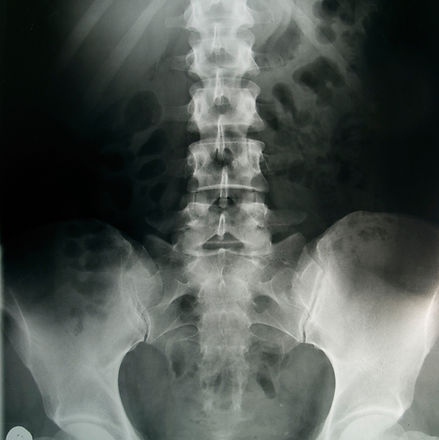
X-Rays
What It Is: An X-ray uses a small amount of radiation to create images of bones and certain organs.
Common Uses:
-
Broken bones
-
Arthritis
-
Chest and lung problems
What to Expect: X-rays are usually quick and painless.
CT Scans
What It Is: A CT scan combines multiple X-ray images to create detailed pictures inside the body.
Common Uses:
-
Injuries
-
Organ problems
-
Cancer evaluation
-
Internal Bleeding
What to Expect: You may lie on a table that moves through a large circular scanner.

MRIs
What It Is: It is short for Magnetic Resonance Scanning. An MRI uses magnets and radio waves to create detailed images of soft tissues.
Common Uses:
-
Brain conditions
-
Spine and joint problems
-
Muscle and ligament injuries
What to Expect: MRIs can take longer than other scans and may be noisy.

PET Scans
What It Is: It is short for Positron Emission Tomography. A PET scan helps doctors see how tissues and organs are functioning
Common Uses:
-
Cancer
-
Heart disease
-
Brain conditions
What to Expect: A small amount of radioactive material is injected before imaging.

Blood Work
Common Blood Tests:
CBC (Complete Blood Count): Checks blood cells
Blood Sugar / A1c: Helps monitor diabetes
Cholesterol: Measures heart health risk
Kidney Function Tests: Checks kidney health
Liver Function Tests: Checks liver health

Preparing for Tests
Follow fasting instructions
If provided Drink water unless told otherwise
Bring your insurance card and ID
Inform staff about allergies or medications